What parameters does a flue-gas damper supplier need for quotation? Eight, by factory convention: max working pressure, max working temperature, working medium, connection type, operation duty (on-off or modulating), drive method, duct size, and the damper’s purpose and location in the duct — missing any one risks rework: temperature sets materials and expansion allowance, differential pressure sets vane and shaft sizing, drive method sets the actuator and fail-safe state. This article expands each item and adds a full pre-order checklist; read alongside damper classification and isolation dampers.
| # | Parameter | Why it matters |
|---|---|---|
| 01 | Max working pressure | Frame/vane strength, shaft and bearing sizing; duct duty usually within ±10 kPa, FGD side higher |
| 02 | Max working temperature | Material class: carbon steel ≤350 °C, hot-air sections need heat-resistant steel and expansion allowance; seals per temperature |
| 03 | Working medium | Flue gas (dusty/sour), hot or cold air — dusty duty needs wear-resistant anti-clogging vanes, sour duty needs coatings |
| 04 | Connection (flange/weld) | Flanged is replaceable, welded seals better; affects duct interface and site schedule |
| 05 | Operation duty (on-off / modulating) | Isolation dampers prioritise sealing (double-vane + sealing air near-zero leakage); modulating dampers prioritise flow characteristic (opposed blades ≈ linear) — completely different structures |
| 06 | Drive (manual/electric/pneumatic/electro-hydraulic) | Electric quarter-turn 0–90° is mainstream; pneumatic fast and hazardous-area friendly; electro-hydraulic for very high torque; decides handwheel and fail-safe |
| 07 | Duct size | Rectangular (A×B) or circular (DN) sets the body and vane layout; large rectangular ducts use multi-blade louver types |
| 08 | Purpose & location | Mill inlet / AH outlet / SCR bypass / ID-fan outlet differ — purpose sets isolation class and interlocks |
Beyond the 8 quotation items, four more avoid later change orders:
| # | Item | Notes |
|---|---|---|
| 09 | Isolation class | Standard seal (≤1–2% leakage closed) or double-vane sealing-air near-zero; state explicitly for maintenance isolation |
| 10 | Travel time & duty cycle | Tens of seconds to a minute per stroke; frequent modulation needs S4-30%+ actuators |
| 11 | Control signal & interlock | Dry contact or 4–20 mA; position feedback to DCS is the prerequisite for maintenance interlocks |
| 12 | Fail-safe & manual override | Hold or close/open on power/air loss; handwheel operable on power failure |
Actuator = max differential-pressure torque × 1.25–1.5 safety factor; multi-shaft linkage uses the summed maximum; take the upper bound for high-ΔP ID-fan and secondary-air dampers. Electric quarter-turn (0–90°) is mainstream with stall protection and position feedback; pneumatic cylinder or scotch-yoke for fast strokes; modulating dampers get a 4–20 mA positioner. See modulating damper selection and isolation dampers for detail.
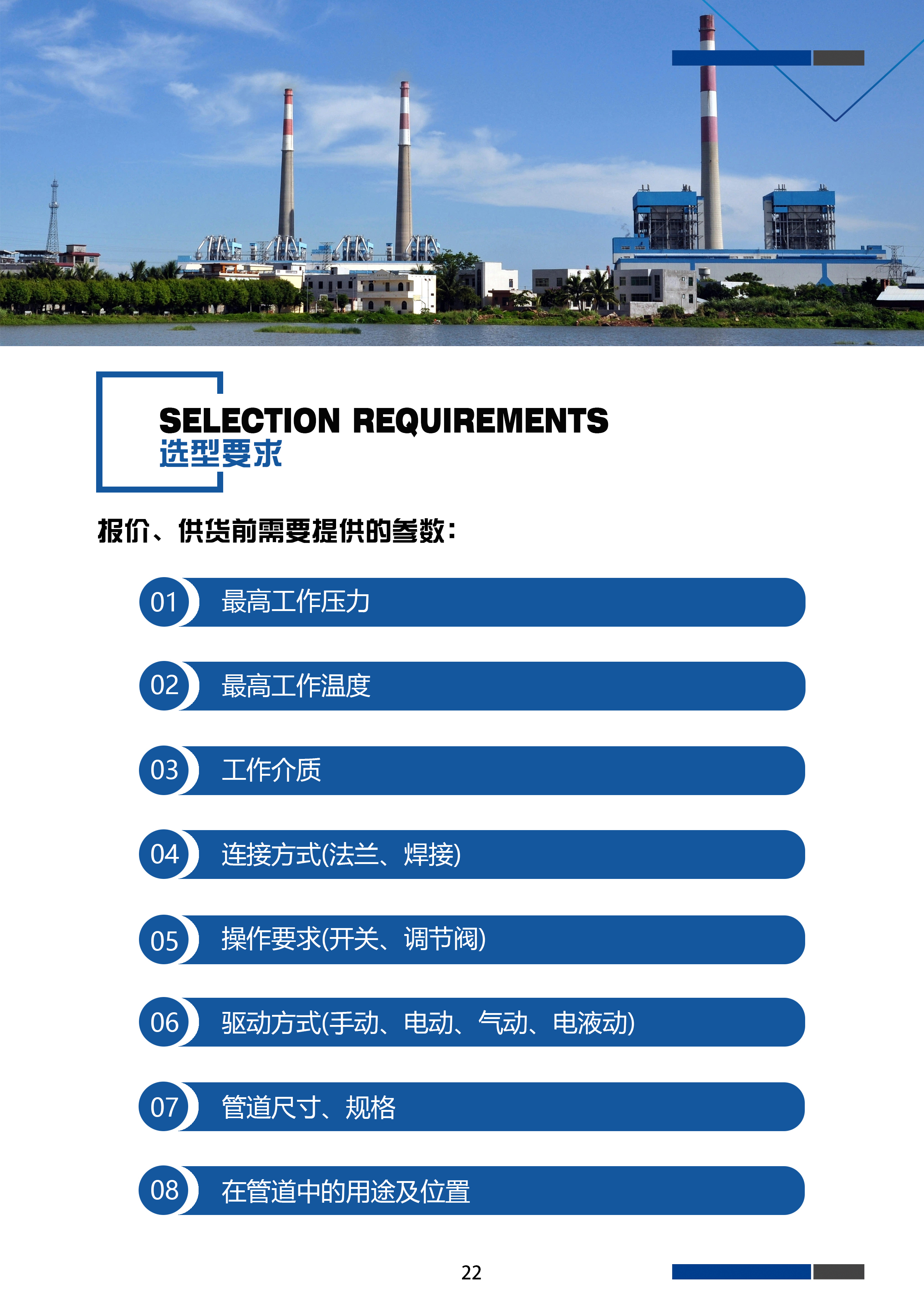
The 8 pre-quotation parameters (Wincontrol 2023 brochure, p22)
The Wincontrol Damper Sample 2023 (23 pages, CN/EN) covers dampers, modulating louvres, isolation doors, gate dampers, gas coolers, disc valves, metallic/non-metallic expansion joints, duct heaters and rotary discharge valves:
Download the Damper Sample 2023 PDF (8.1MB)
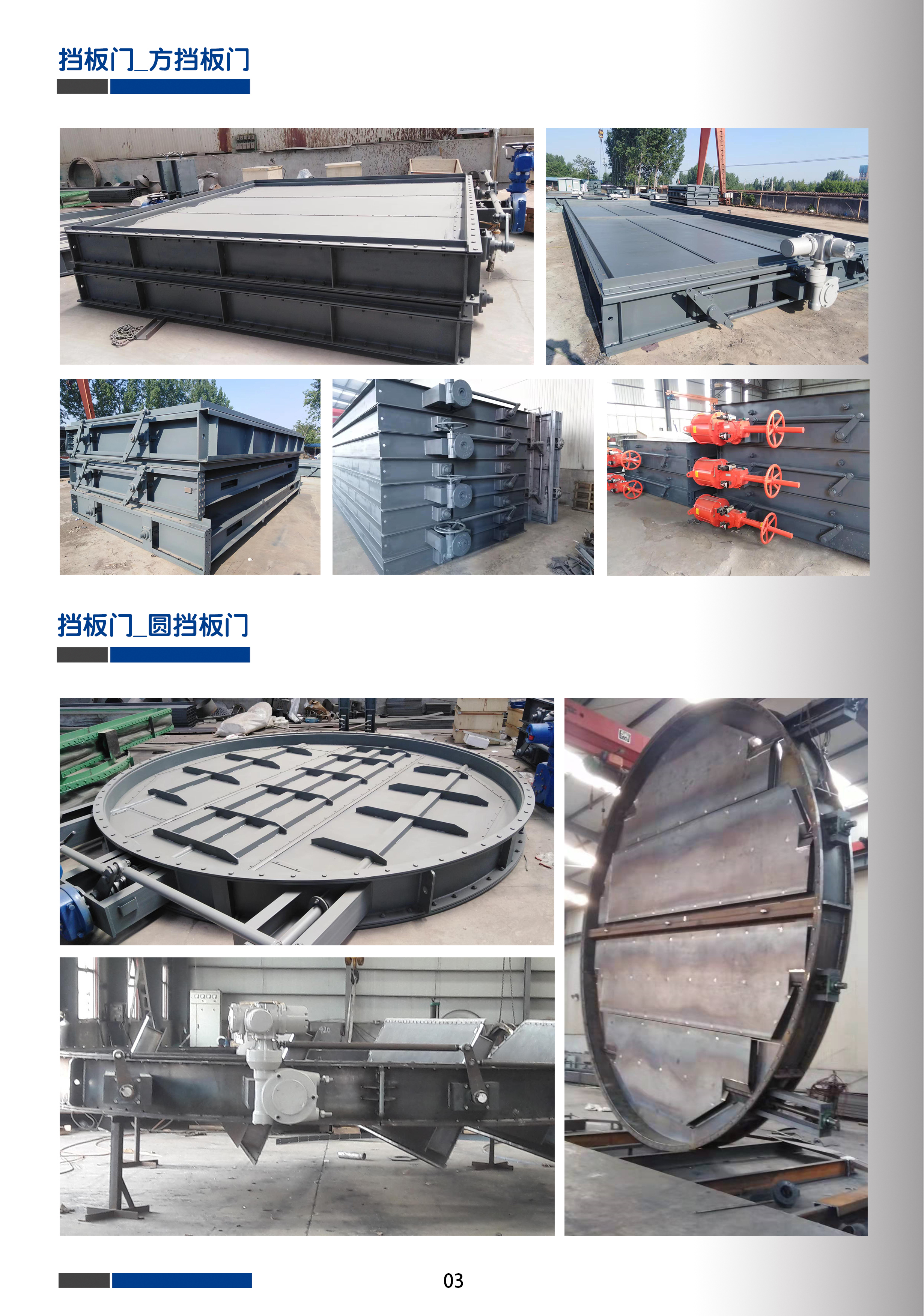
Damper product page (Wincontrol 2023 brochure, p03)
Damper classification & structure · Why sealing-air systems matter · Flue-gas gate valves for full-load SCR retrofits · Duct heaters for sealing-air systems · Rotary discharge valves
Sizing a damper? Submit an RFQ with the 8 parameters above — same-day reply.
Sources: Wincontrol Damper Sample 2023 p22 (selection requirements) + actuators.cn damper series.

An industry resource for electric & pneumatic actuators, dampers and heaters: brand manuals, sizing guides and maintenance know-how. Global brands in, China manufacturing out.